
The Great Unification:
How Global Marketing Logic will Converge in 2026
29 April 2026
In 2026, brand marketing across the globe is converging on a single playbook. The era of “different rules for every platform” is over. Whether you’re on RED, Instagram, TikTok, or YouTube, successful brands are all doing the same thing: building a complete brand ecosystem. This article breaks down the four fundamental shifts defining 2026 brand marketing trends — and how your brand can respond to this Great Unification.
Why 2026 is the Turning Point for Brand Marketing
In 2026, brand marketing has finally settled. Not because nothing is changing, but because all changes are now pointing in the same direction.
We lived through the era of different rules for every platform. Brands were like actors exhausted from performing different scripts on different stages. In 2026, that era ends.
The Four Core Shifts in 2026 Brand Marketing
Whether your brand is in China, the US, or Southeast Asia — whether you use Xiaohongshu (RedNote), Instagram, TikTok, or YouTube — these four brand marketing trends are happening simultaneously.
From Creator-Led to Brand-Led: Brand Accounts Become Core Assets
In the past, brands relied on KOLs and KOCs to build trust. In 2026, brands are reclaiming their own voice through brand-led marketing.
Official brand accounts replace creators as the primary content channel. Brands build their own brand content assets instead of renting traffic from influencers. Consumer loyalty ultimately belongs to the brand, not the creator. This is the core logic of brand-led marketing.
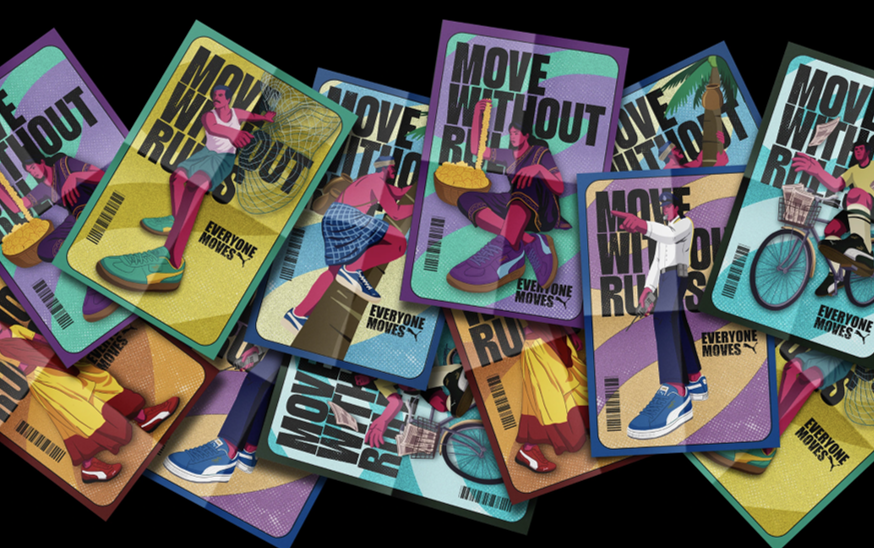
From Viral Hits to Enduring Narrative: Brand Storytelling Ecosystems Replace One-Off Campaigns
In the past, brands chased viral moments. In 2026, brands pursue sustainable brand storytelling ecosystems.
A complete brand storytelling strategy includes founder stories, product stories, customer stories, and scene stories — layered like concentric circles. Every brand communication stays on the same narrative spine, just seen from different angles. Consumers buy not the product, but the worldview the brand represents. This is the essence of sustainable brand narrative.
From Traffic Harvesting to Community Co-Creation: Value-Based Communities Replace Private Traffic
Private traffic is being replaced by community in 2026. The difference: private traffic is about discounts; community is about meaning.
Community-led branding means users gather around shared values, not discounts. Brands and users co-create content and experiences. Consumers become brand co-creators rather than managed traffic. This is the fundamental difference between value-based communities and traditional private traffic.

From O2O to O2O2O: Online-Offline-Online Loops Become Standard
In 2026, a brand no longer lives only on a phone screen. The complete user journey is an O2O2O loop: online discovery, offline experience, online sharing, then repeat.
Omnichannel brand experience requires brands to design “moments worth sharing” — turning every offline experience into new online discovery content. This is the online to offline to online marketing model.
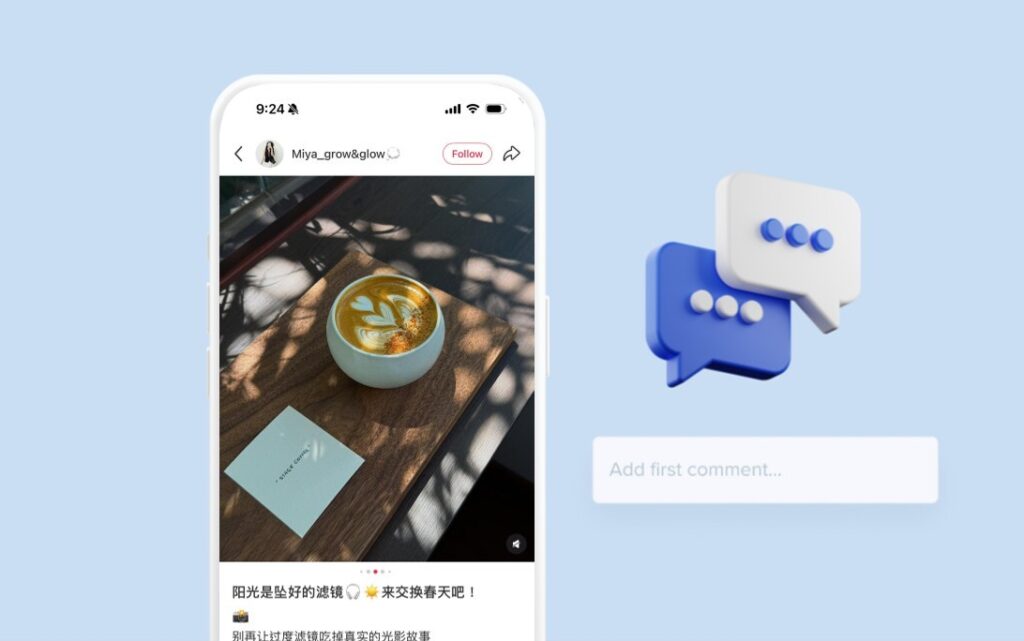
Why 2026? The Convergence of Global Platform Logic
2026 is the turning point because the underlying logic of all major social media platforms has converged.
RED marketing strategy, Instagram brand playbooks, TikTok content-driven commerce, and YouTube brand channels — the core logic across these platforms is now essentially the same. Short video is standard. Algorithmic feeds are standard. Discovery, search, and purchase are standard.
User behavior has also been trained to a single path: scroll interesting content, search for more information, get convinced by the brand story, experience it offline, and share your own version.
Platforms no longer define the rules. Brands do. This is the era of a unified brand strategy across platforms.
Is Your Brand Ready? Key Questions for 2026
The question in 2026 is no longer “Which platform should we be on?” It’s:
- What is your brand positioning? Where does your brand stand? What values does it represent?
- What is your brand storytelling ecosystem? How long can you tell that story?
- Where are your brand experience scenes? In what world do your customers meet you?
- What shareable moments are you creating that users want to share?
A brand ecosystem assessment starts with three actions: audit whether your brand has a complete story ecosystem rather than scattered marketing activities; evaluate whether your community is built on values rather than just discounts; design your O2O2O user journey to create a continuous online-offline loop.
Summary: Core Insights for 2026 Brand Marketing
The winners of 2026 are not the fastest runners. They are the most grounded.
They have their own voice. Their own community. Their own world.
They aren’t doing marketing. They are making their brand happen.
If you’re still chasing platforms, algorithms, and viral hits — you may already be falling behind. Because the rules of 2026 brand marketing have changed: brand narrative leads, official content reigns, community roots, and experience design creates the stage.
This is the Great Unification of global brand marketing.